

Google's AI Overviews have become a staple for millions of users seeking quick summaries of search results. However, the summaries often lack the depth needed for complex queries. To address this, Google has announced five new features that enrich the AI Overview experience by integrating user-generated advice, subscription-based news access, and more transparent source linking.
A New Layer of Expertise: Advice from Real People
One of the most notable additions is the "Expert Advice" section, which pulls comments from discussion forums, social media platforms, and other online communities. When you search for a topic like "best food for cats with sensitive stomachs," the AI Overview now displays short remarks from fellow cat owners. Each comment includes the name of the person or forum and a direct link to the full discussion. This allows users to not only read additional perspectives but also join the conversation if desired. Google demonstrated the feature with an example of searching for northern lights photography tips, where users saw advice on exposure settings from an online photography forum.
This move taps into the vast reservoir of anecdotal knowledge available on the web. While AI can synthesize scientific data and encyclopedia entries, it often struggles with subjective or experience-based topics. By surfacing human voices, Google aims to bridge that gap. Critics have raised concerns about misinformation in user-generated content, but Google claims that the AI selects comments from reputable sources and high-quality discussions. The feature is rolling out initially in English in the United States, with more languages and regions planned.
Direct Access to Your News Subscriptions
Another major enhancement is the integration of news subscriptions directly into AI Overviews and AI Mode. Users who subscribe to outlets like The New York Times, The Wall Street Journal, or ZDNET will see labeled links below the summary. Clicking these links takes readers to the full story behind the AI-generated snippet. Early testing showed that users were significantly more likely to click links labeled as their subscriptions.
Publishers can enable this feature through Google's Subscription Linking page, which allows them to identify paying subscribers and grant them access to paywalled content. This is a win-win: readers get seamless access to trusted sources, and publishers see increased engagement from loyal subscribers. Google emphasized that this does not bypass paywalls—it simply makes it easier for subscribers to reach content they already have access to.
For users without subscriptions, the AI Overview will still show general links to free content. The subscription integration is opt-in for publishers and respects existing authentication systems. This feature is currently in beta and expected to expand to more partners soon.
Inline Source Links for Greater Transparency
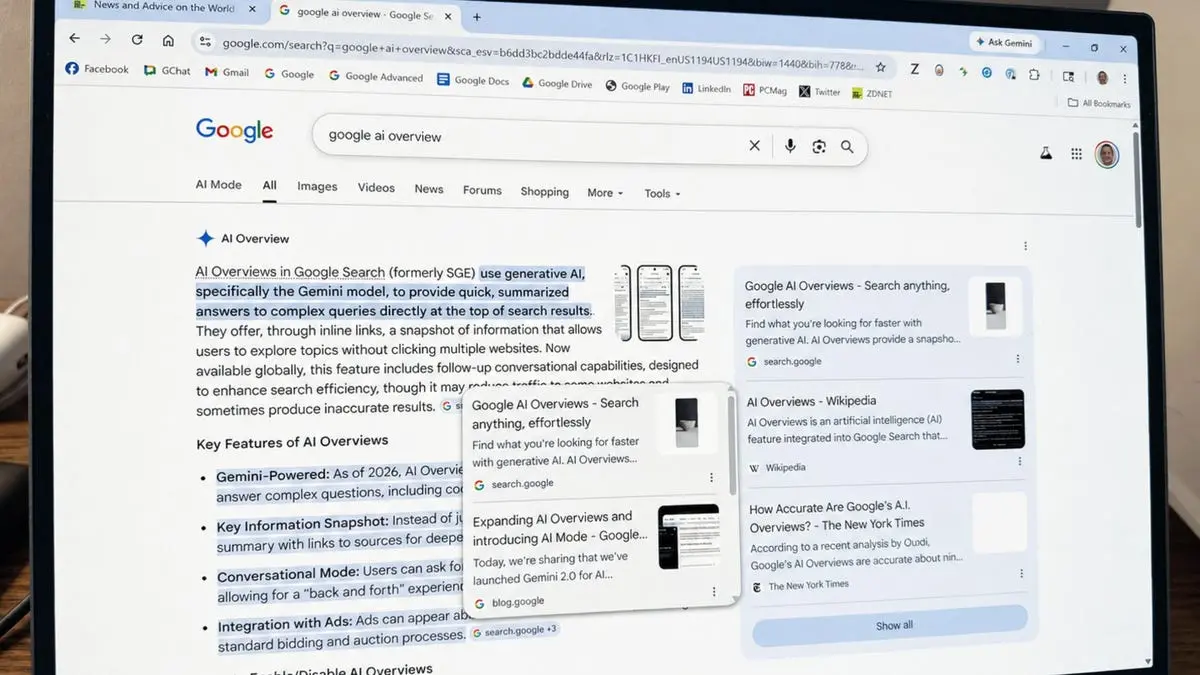
One common frustration with AI-generated summaries is the lack of clear attribution. Users might see a fact but have no idea where it came from. Google addresses this by placing clickable source links directly next to the relevant text within the AI summary. For example, a bullet point about terrain for a California bike trip might include a link to a Pacific Coast biking guide. Another bullet about daily mileage might link to a training blog.
This inline linking makes it easy to verify claims or dive deeper into specific points without scrolling to the bottom of the page. Google uses a technique called "query fan-out" to identify the most relevant sources for each component of the answer. The AI analyzes multiple search results and selects the best fit for each piece of information. This not only improves transparency but also encourages users to explore original sources—a core goal for publishers worried about losing traffic to AI summaries.
Early adopters of the feature report increased click-through rates on linked content. Google's data shows that users are 40% more likely to click a source when it appears inline versus at the end of a summary. This could help mitigate the decline in organic traffic that some websites have experienced since the introduction of AI Overviews.
Exploring Beyond the Summary: Suggested Sources
Below the AI summary, a new section titled "Explore More" recommends additional articles, case studies, and analyses related to the original query. For instance, a search about urban green spaces might surface a case study on Seoul's stream restoration project or a report on New York City's High Line park. These suggestions are dynamically generated based on the search context and are designed to provide diverse angles on the topic.
Google says this feature helps users who want to go beyond a single answer and understand a subject from multiple perspectives. The suggestions are curated to avoid redundancy—no two articles cover the same point. This section also serves as a discovery tool, introducing users to content they might not have found through conventional search results.
Publishers have welcomed this addition because it creates more opportunities for their content to appear. Even if their article isn't used as a primary source for the summary, it may still be listed in the "Explore More" section. Google's algorithm prioritizes high-quality, authoritative content, so smaller niche sites can benefit from this exposure just as much as major publications.
Hover Previews: A Safer Way to Browse
Clicking a link without knowing where it leads can be intimidating. To reduce hesitation, Google now shows a preview when users hover over a link within the AI Overview. The preview displays the site's name and title, giving a clear indication of the content. This is especially useful for links that appear inline or in the "Explore More" section.
The preview is lightweight—it doesn't load the full page or execute scripts. It simply pulls metadata from the linked URL. This feature builds trust between the user and the search ecosystem, as it reassures them that clicking won't lead to spam or irrelevant pages. Google has been testing similar previews in other parts of Search, such as featured snippets, and saw a 15% increase in click satisfaction.
For mobile users, the preview appears as a short popup when tapping and holding a link. Desktop users see it on hover. The feature is rolling out gradually and may not be available for all links initially.
Under the Hood: Query Fan-Out and Link Ranking
Behind these new features lies Google's ongoing work to improve how AI selects and ranks sources. Query fan-out is a technique where the AI generates multiple sub-queries for a single search, each targeting a different aspect of the topic. This allows the system to pull from a wider range of websites and surface more diverse information. For example, a search about "bike touring in California" might fan out into queries about terrain, weather, routes, and equipment—each with its own set of sources.
The new link ranking system prioritizes sites that demonstrate expertise, authority, and trustworthiness. Google has updated its guidelines to reward original reporting, firsthand accounts, and community-driven content. This aligns with the broader shift toward valuing human-generated content over AI-generated summaries from other websites.
These technical improvements are part of Google's broader strategy to make AI Overviews more than just a summary tool. The goal is to create a gateway to the web, not a walled garden. By making sources more visible and accessible, Google hopes to encourage users to explore the richness of the internet beyond the AI-generated snippet.
Implications for Users and Publishers
For everyday users, these updates mean more informative and trustworthy search results. The ability to see advice from real people adds a human dimension to factual answers. Subscription integration saves time for paying readers. Inline source links and previews reduce the friction of verifying information. Overall, the AI Overview becomes a more useful starting point rather than a dead end.
For publishers, the changes are a double-edged sword. On one hand, increased link visibility and new sections like "Explore More" can drive traffic. On the other hand, the AI still summarizes content, which could reduce the need to click through. However, Google's emphasis on original voices and user-generated content suggests that publishers who produce unique, authoritative material will benefit most. The company has also stated that it will continue to refine the balance between summaries and links based on feedback from users and publishers.
Privacy and data handling are also considerations. Comments pulled from forums are publicly available, but Google says it will respect platform terms of service and only index content that is openly accessible. Subscription integration relies on existing authentication protocols and does not share personal data with Google.
These five features represent a significant step forward for Google's AI Overviews. They address many of the criticisms leveled at earlier versions, such as lack of attribution, shallow answers, and reduced traffic to sources. By incorporating community wisdom, subscription access, and transparent linking, Google is working to make AI summaries both more helpful and more respectful of the web ecosystem. The updates are rolling out over the coming weeks, so users should start seeing them in their search results soon.
Source: ZDNET News