

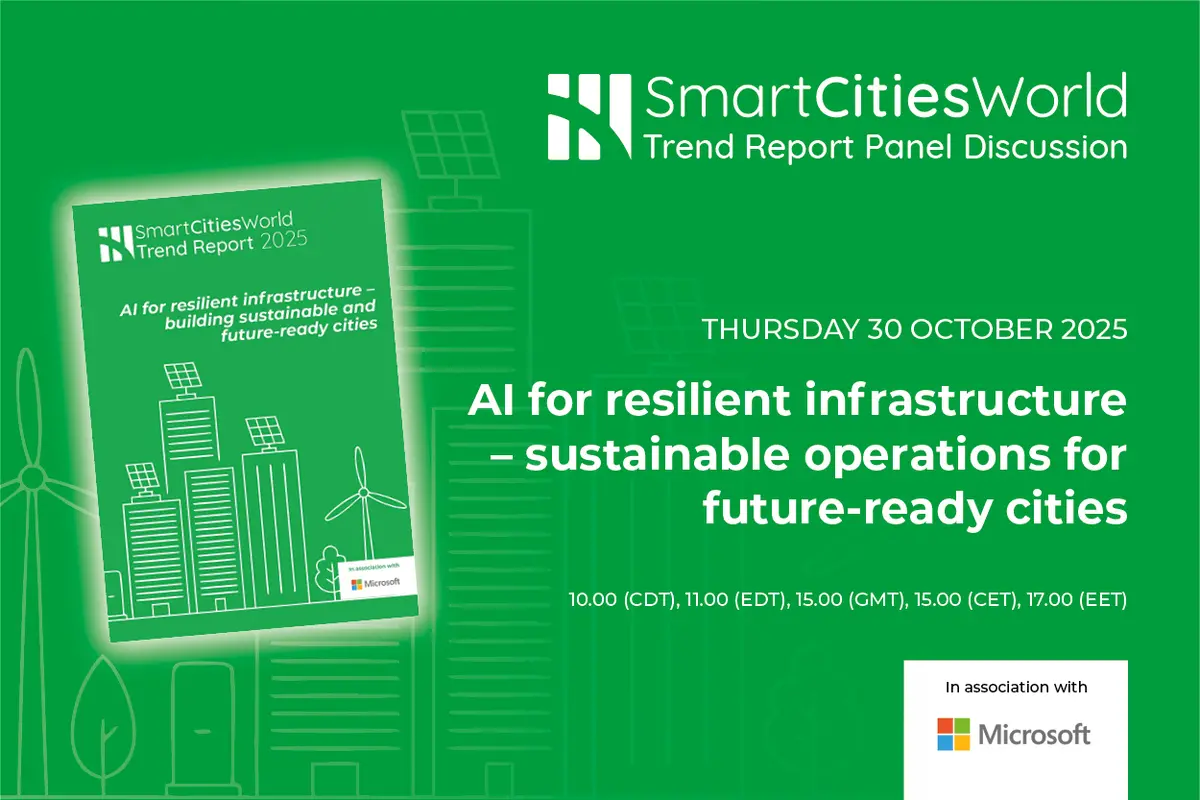
Artificial intelligence and digital twin technologies are rapidly reshaping the way cities plan, operate, and maintain their infrastructure. A recent trend report panel discussion brought together experts from international organizations, city governments, and technology sectors to explore how these innovations can drive sustainable operations and create future-ready urban environments. The central theme revolved around using real-time data, AI analytics, and virtual replicas of physical assets to enhance resilience, reduce costs, and improve quality of life for citizens.
AI-Powered Digital Twins: Transforming Urban Infrastructure
Digital twins—virtual representations of physical systems—are no longer a futuristic concept. Cities are now deploying them to model everything from traffic flows and energy grids to water distribution and public safety responses. By integrating sensor data, historical records, and AI algorithms, these twins enable city managers to simulate scenarios, predict failures, and optimize operations. For example, a digital twin of a transport network can test the impact of a new bus route or a sudden weather event without disrupting real services. This predictive capability is crucial for building resilience against climate change, population growth, and aging infrastructure. The panel highlighted that AI augments digital twins by learning patterns, detecting anomalies, and recommending proactive maintenance, thereby extending asset life and reducing emergency repairs.
Smart Urban Mobility: Data-Driven Transport Networks
Urban transport is a primary beneficiary of AI integration. Cities are harnessing data from GPS, ticketing systems, traffic cameras, and mobile apps to improve planning and day-to-day operations. AI models can optimize traffic signal timings, predict congestion, and manage demand for shared mobility services. The panel discussed how these tools help reduce emissions, lower commute times, and enhance accessibility for vulnerable populations. In one example, a city used AI to analyze passenger flow data and redesign bus routes, leading to a 15% increase in ridership. However, panelists emphasized that success depends on robust data governance—ensuring privacy, security, and equity. Without interoperability between different transport systems and data silos, the full potential of AI remains untapped.
Connecting Data and Securing Smart City Systems
As cities race to connect fragmented systems, cybersecurity becomes paramount. The panel noted that the proliferation of IoT sensors, smart streetlights, and connected infrastructure creates new attack surfaces. Hackers could disrupt traffic signals, tamper with water quality monitors, or compromise emergency response systems. To counter these threats, cities must adopt zero-trust architectures, encrypt data at rest and in transit, and implement continuous monitoring. AI itself can be part of the defense—using machine learning to detect unusual network behavior or phishing attempts. At the same time, the panel warned against vendor lock-in, where proprietary systems prevent data sharing and innovation. Open standards and APIs are essential for building flexible, future-proof urban services.
The Human and Governance Dimensions
ITU's Cristina Bueti stressed that technology alone is not enough. Cities must prioritize interoperability, inclusivity, and human oversight to avoid creating AI-driven systems that perpetuate bias or exclude marginalized communities. She argued that ethical frameworks and public participation should be embedded from the start, not added as an afterthought. The panel echoed this by calling for 'human-in-the-loop' designs where AI recommendations are validated by trained staff, especially in high-stakes areas like public safety and health. Transparent algorithms and regular audits can build trust among citizens. Moreover, cities need to invest in digital literacy programs so that residents understand how AI affects their daily lives and can contribute to decision-making.
City Profiles: Sunderland and Dublin Lead the Way
Two cities featured in the discussion illustrate how these principles can be put into practice. Sunderland, UK, is repositioning itself as a leading smart city by leveraging digital infrastructure and low-carbon innovation. The city has deployed a city-wide sensor network, a digital twin platform, and AI tools to monitor energy use, reduce waste, and attract green businesses. Its focus on resilience includes flood modeling and adaptive street lighting that dims when no pedestrians are present. Sunderland's approach is holistic, combining technology with social programs to ensure benefits reach all neighborhoods.
Dublin, Ireland, is innovating across multiple fronts: a digital twin of the city center helps planners test pedestrianization and traffic reduction schemes; AI-powered traffic management has cut congestion by 12%; and the city is using data to support economic growth by identifying underutilized commercial spaces. Dublin's strategy emphasizes collaboration with academia and startups, as well as citizen feedback loops. Both cities demonstrate that success requires strong political will, cross-departmental coordination, and long-term investment.
Smart Lighting and Cybersecurity Risks
In a two-part series on lighting, the panel explored how smart streetlights are becoming a cornerstone of urban digital infrastructure. These lights can host sensors for air quality, noise, and motion, as well as serve as Wi-Fi hotspots. However, they also introduce cybersecurity vulnerabilities. The final episode of 'Cities Thriving on Lighting' highlighted that many municipalities lack the expertise to secure these networks properly. Panelists recommended conducting risk assessments, segmenting lighting networks from other critical systems, and using encryption and authentication protocols. One city shared how it overcame these challenges by adopting a managed security service provider and mandating regular firmware updates. The second episode focused on making lighting infrastructure interoperable and future-proof, ensuring that as new technologies emerge, cities can upgrade without replacing entire systems.
Virtual Worlds and the Citiverse
The UN Virtual Worlds Day, as discussed by Paul Wilson, aims to harness AI, spatial intelligence, and the emerging 'Citiverse' ecosystem—a digital layer of cities where citizens can interact with services, attend virtual meetings, or simulate urban changes. Wilson emphasized that these virtual environments must be designed for people, not just technology. Trustworthy outcomes require inclusive governance, data sovereignty, and equitable access. For example, a digital twin of a park could allow residents to propose design changes and see the impact on shade, seating, and traffic. The panel saw the Citiverse as a powerful tool for civic engagement, but warned against digital divides. Ensuring that low-income communities have the devices and connectivity to participate is essential.
Safety and Sustainability in Buildings
Indoor environments also benefit from AI and sensor networks. Smart sensors can detect smoke, gas leaks, or unusual temperature spikes, alerting building managers before a small issue becomes a disaster. They can also monitor air quality, occupancy, and energy usage, supporting healthier and more sustainable workplaces and homes. The panel presented cases where AI-driven building management reduced energy consumption by 30% while improving comfort. Integration with city-wide digital twins could eventually allow a building to 'talk' to the grid, shaving peak demand or storing renewable energy. Such systems rely on edge computing to process data locally, reducing latency and privacy risks.
On-Demand Resources and Ongoing Learning
The discussion concluded by pointing to several on-demand webinars and newsletters that provide deeper dives into data strategy, sensor technology, and urban transport AI. The 'Getting your data strategy right for smarter sites and safer operations' webinar offers guidance on building a scalable data architecture, while 'How sensors, AI, and digital twins can shape the future of urban transport' explores real-world deployments. The SmartCitiesWorld newsletters deliver weekly updates on city innovations, interviews with leaders, and special reports. The panel urged urban professionals to stay engaged with these resources to keep pace with rapidly evolving technologies and share best practices across borders.
By integrating AI, digital twins, and human-centered design, cities can build infrastructure that is not only smarter but also more resilient to shocks—whether from climate, cyber threats, or demographic shifts. The path forward requires collaboration among technology vendors, government agencies, academic institutions, and, most importantly, the communities they serve. The potential is immense, but so is the responsibility to ensure that the future of urban life is inclusive, secure, and sustainable.
Source: Smart Cities World News