

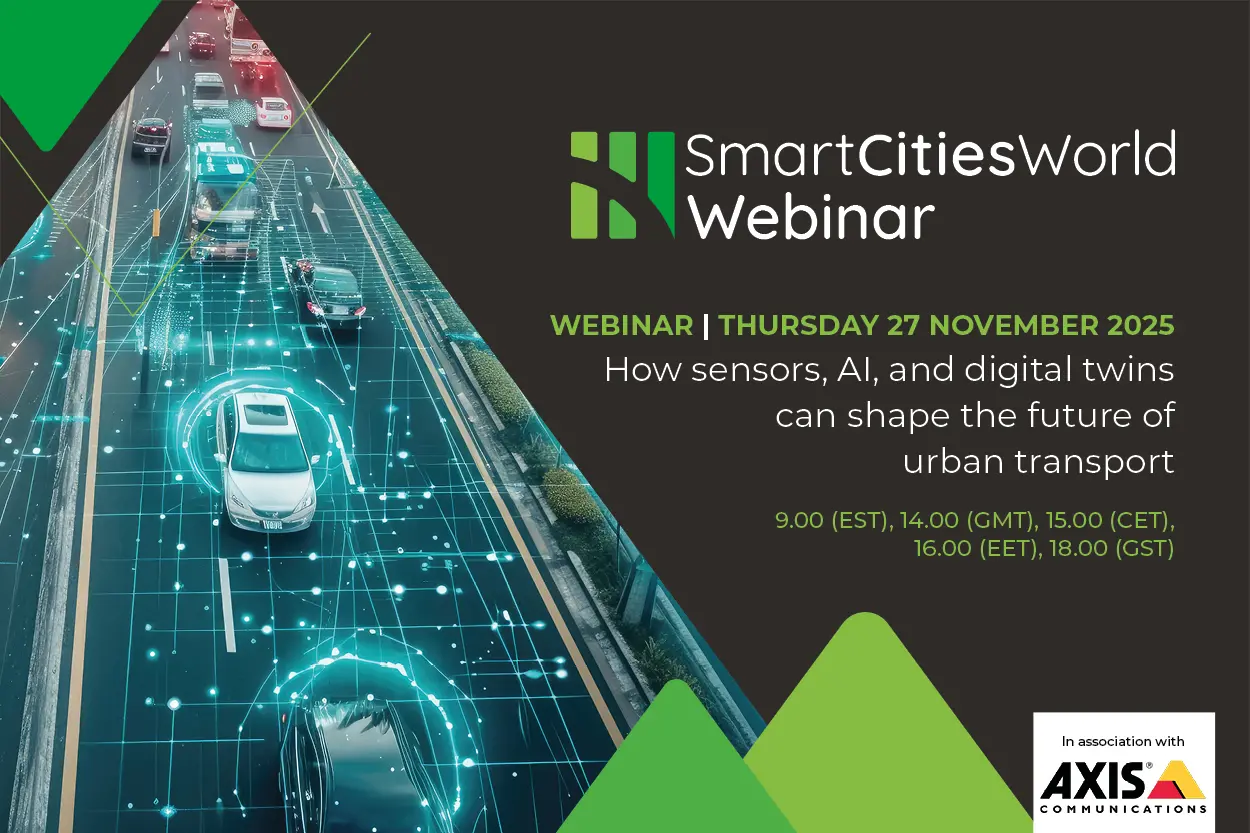
Urban infrastructure is undergoing a profound transformation. The integration of artificial intelligence, IoT sensors, and digital twin technology is enabling cities to manage transport networks, improve public safety, and reduce environmental impact. This article examines the latest trends and real-world applications that are shaping the future of urban transport and smart city development.
Digital Twins and AI: The Foundation of Smarter Cities
At the heart of modern urban innovation lies the digital twin—a virtual replica of physical assets, systems, or processes. When combined with AI, these twins can simulate scenarios, predict outcomes, and optimize operations in real time. Cristina Bueti of the International Telecommunication Union (ITU) emphasizes that cities must prioritize interoperability, inclusivity, and human oversight now. Without these guardrails, fragmented systems and vendor lock-in could define the future of urban AI. The promise of digital twins extends beyond transport to energy grids, water supply, and emergency services, creating a holistic view of city dynamics.
Real-World City Initiatives
Several cities are already demonstrating the power of AI and digital twins. Sunderland, UK, is repositioning itself as a leading smart city by investing in digital infrastructure and low-carbon innovation. Its city profile highlights a resilient, future-focused economy built on data-driven decision-making. Meanwhile, Dublin, Ireland, is using digital twin projects to reduce traffic congestion and promote economic growth. The city has implemented traffic reduction strategies that leverage real-time data from sensors and cameras, improving commute times and air quality. These examples show how data and AI can support planning and day-to-day operations, ultimately improving outcomes for communities and passengers.
- Key Fact: Sunderland's smart city strategy includes digital infrastructure and low-carbon innovation to build a resilient economy.
- Key Fact: Dublin uses digital twins to reduce traffic and promote economic growth, with a focus on real-time data.
Smart Lighting as a Platform for Urban Sensors
Smart lighting networks are emerging as a foundational infrastructure for smart cities. The second episode of the series "Cities Thriving on Lighting" explores how cities can turn existing streetlight networks into secure, interoperable, and future-proof assets. These lighting systems can host sensors for air quality, traffic monitoring, and public Wi-Fi, becoming a backbone for data collection. However, the final episode of the series warns of related cybersecurity risks. Cities must ensure that smart lighting deployments are protected against threats, especially as they become more connected.
- Key Fact: Smart streetlight networks can be retrofitted with sensors, creating a secure, interoperable platform for urban data.
- Key Fact: Cybersecurity is a critical concern for smart lighting, requiring proactive risk management.
Indoor Safety and Sensor Networks
Beyond outdoor spaces, smart sensor networks are revolutionizing indoor safety. By detecting risks early—such as gas leaks, fires, or structural weaknesses—these systems improve situational awareness and support healthier, more secure buildings. The trend toward AI-powered building management systems is accelerating, especially in commercial and public facilities where occupant safety is paramount.
- Key Fact: Indoor sensor networks enable early detection of hazards, improving safety and sustainability in buildings.
Addressing Challenges: Security, Interoperability, and Financing
As cities race to connect data and tighten security, they face significant hurdles. An OnDemand trend report panel discussion on AI for resilient infrastructure highlighted the need for sustainable operations that can adapt to changing conditions. Meanwhile, a COP30 webinar focused on unlocking climate finance for city projects, emphasizing that building capacity and partnerships is essential for accessing funds. These discussions underscore that technology alone is not enough—cities need robust governance frameworks, cross-sector collaboration, and secure data ecosystems.
- Key Fact: Climate finance is a critical enabler for smart city infrastructure; cities must build capacity to access these funds.
- Key Fact: Interoperability and human oversight are key to avoiding vendor lock-in and ensuring inclusive urban AI.
The Human Element: Inclusivity and Oversight
Cristina Bueti’s message resonates across all these initiatives: cities must prioritize people. As AI becomes deeply embedded in urban services, transparency and citizen involvement are not optional—they are essential. The UN Virtual Worlds Day event, as explained by Paul Wilson, will explore how AI, spatial intelligence, and the Citiverse ecosystem can be turned into trusted, people-centred outcomes. This focus on human-centric design ensures that smart city technologies serve the public good, reducing inequalities rather than amplifying them.
Looking Ahead: The Citiverse and Global Collaboration
The convergence of AI, digital twins, and sensor networks is only accelerating. From smart lighting to climate-resilient infrastructure, cities worldwide are experimenting with new models of governance and technology. The upcoming UN Virtual Worlds Day offers a platform for global dialogue on turning these innovations into practical, ethical applications. As more cities share their experiences—like Sunderland and Dublin—the blueprint for a smarter, more sustainable urban future becomes clearer. The path forward requires continuous learning, rigorous security measures, and an unwavering commitment to community well-being.
Source: Smart Cities World News