

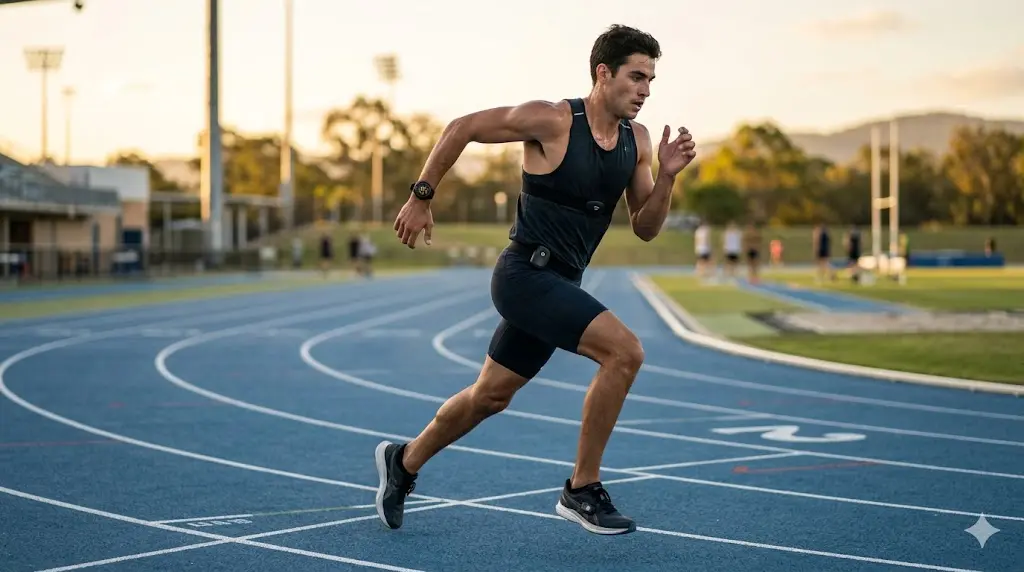
Wearable technology is changing how athletes train, recover, and compete. From tracking heart rate and sleep quality to measuring sprint speed and muscle fatigue, these tools are giving coaches and players real-time data that used to take days to collect. What’s surprising is how quickly wearable devices have moved from elite sports labs into schools, gyms, and even amateur leagues.
Wearable technology helps athletes improve performance by collecting real-time health and movement data. Coaches now use smart devices to reduce injuries, monitor recovery, and personalize training programs. In most cases, teams using wearable analytics make faster and more informed decisions than teams relying only on traditional coaching methods.
What Is Wearable Technology and Why Does It Matter?
Wearable Technology: Digital devices worn on the body that track physical activity, health metrics, and performance data in real time.
You’ve probably seen athletes wearing smartwatches, fitness bands, GPS trackers, or sensor-equipped clothing during practice sessions. These tools gather information like heart rate variability, oxygen levels, hydration, speed, acceleration, and stress response. Coaches then study the data to understand how athletes perform under different conditions.
Here’s the thing. Sports used to depend heavily on observation and instinct. A coach watched an athlete train and made decisions based on experience. That still matters, of course, but now data fills in the gaps human eyes often miss.
Research groups and sports scientists have found that wearable technology can help reduce overtraining. That’s a pretty big deal because fatigue-related injuries cost professional teams millions every year. Even college sports programs are investing heavily in athlete monitoring systems now.
In my experience, athletes respond better when they can actually see measurable progress. Numbers motivate people. A runner improving recovery time by 8% or a football player increasing sprint efficiency becomes easier to coach when the evidence is visible.
Expert Tip
Don’t assume expensive wearable devices automatically improve athlete performance. Data only matters when coaches understand how to interpret it correctly. I’ve seen smaller teams get better results with basic tracking tools simply because they used the information consistently.
Why Wearable Technology Matters in 2026
By 2026, wearable technology is expected to become a standard part of athlete development worldwide. Sports organizations are moving toward predictive training models instead of reactive ones. That shift changes everything.
A few years ago, many teams focused mostly on performance during games. Now they’re monitoring what happens before and after competition just as closely. Sleep quality, hydration patterns, emotional stress, and recovery cycles are becoming part of daily training analysis.
What most people overlook is that wearable technology isn’t just helping star athletes. It’s also helping younger players avoid burnout. That might actually be the biggest long-term benefit.
Take a realistic example. Imagine a basketball academy managing 120 teenage athletes. Without tracking tools, coaches might miss signs of exhaustion until injuries appear. With wearable monitoring, they can identify players at risk before problems become serious. That saves training time and probably protects careers too.
Another trend gaining attention is remote athlete monitoring. Coaches can now review training sessions from another city or country. That became far more common after remote coaching systems improved globally.
Interestingly, some researchers argue that too much data can hurt performance. Athletes sometimes become overly focused on numbers instead of instinct. Honestly, I think there’s truth to that. Sports still involve emotion, rhythm, and confidence. Technology should support performance, not control every decision.
Secondary keywords like sports performance analytics, athlete recovery technology, and smart fitness devices are becoming more visible in industry discussions because teams want deeper insights without slowing athletes down.
How Wearable Technology Improves Athlete Performance Step by Step
1. Collecting Real-Time Data
Wearable devices gather information continuously during practice sessions and competitions. Metrics may include movement speed, heart rate, workload intensity, and body temperature.
This creates a clearer picture of how hard an athlete is actually working.
2. Identifying Fatigue Early
Coaches can monitor physical stress before exhaustion becomes dangerous. If data shows unusual fatigue patterns, training loads can be reduced immediately.
That’s one reason injury prevention programs are improving.
3. Personalizing Training Programs
Not every athlete responds to exercise the same way. One player may recover quickly after intense sessions, while another needs more rest time.
Wearable technology helps customize training schedules instead of applying identical routines to everyone.
4. Improving Recovery Tracking
Recovery has become almost as important as practice itself. Smart fitness devices now monitor sleep patterns, hydration, and recovery rates overnight.
I’ve seen athletes completely change their routines after realizing poor sleep was hurting performance more than weak training.
5. Enhancing Tactical Decisions
GPS trackers and motion sensors help coaches analyze positioning, movement efficiency, and reaction time during games.
That data often influences substitutions, training drills, and match strategy.
6. Supporting Long-Term Athlete Development
Performance trends over months or years help teams understand how athletes improve over time. Long-term tracking can reveal patterns invisible in short-term evaluations.
That’s especially valuable for youth sports programs.
Common Misconception About Wearable Technology
More Data Doesn’t Always Mean Better Results
A lot of people think wearable technology automatically creates smarter athletes. It doesn’t.
Too much information can overwhelm coaches and players. Some athletes start obsessing over metrics instead of focusing on technique or confidence. Others feel mentally drained when every movement gets analyzed.
Here’s my hot take. Sometimes simpler feedback works better than complicated dashboards packed with numbers nobody fully understands.
One soccer coach I spoke with reduced his team’s tracking metrics from 18 categories down to just five. Player performance actually improved because athletes focused on actionable insights instead of endless statistics.
That’s a reminder worth remembering.
Expert Tip
Use wearable data to guide conversations, not replace them. Coaches who combine analytics with personal communication usually build stronger athlete trust and better long-term results.
How Professional Sports Teams Use Wearable Technology
Professional sports organizations now treat wearable analytics almost like competitive intelligence. Teams want advantages wherever they can find them.
Football clubs use GPS vests during training to monitor sprint distance and acceleration. Basketball organizations track jump loads and muscle fatigue. Marathon runners rely on hydration monitoring during long-distance preparation.
One realistic case study involves a professional rugby team struggling with repeated hamstring injuries. After introducing wearable monitoring systems, coaches discovered players were exceeding safe sprint thresholds during practice sessions. Training loads were adjusted, and injury rates dropped significantly over the next season.
That kind of outcome explains why investment in athlete recovery technology keeps growing.
Another interesting development is fan engagement. Some sports broadcasts now include live athlete biometrics during events. Viewers can see heart rate spikes or sprint intensity in real time. Honestly, ten years ago that would’ve sounded ridiculous.
Now it’s becoming normal.
Why Schools and Amateur Athletes Are Adopting Wearable Devices
Wearable technology isn’t limited to professional athletes anymore. High schools, universities, and recreational sports clubs are adopting these tools faster than many expected.
Cost is part of the reason. Devices have become more affordable. Accessibility matters too because younger athletes are already comfortable using digital tools daily.
Parents also appreciate injury monitoring features. If a wearable device detects dangerous exertion levels or irregular recovery patterns, coaches can respond faster.
What most guides miss is the psychological side of wearable technology. Young athletes often become more disciplined when they can track their own progress. Small improvements feel more rewarding when performance data confirms them.
Of course, there are concerns about privacy and data ownership. Schools and sports organizations need clear policies about how athlete information is stored and shared. That conversation will probably become much bigger over the next few years.
Expert Tips That Actually Work
If you’re planning to use wearable technology in sports training, focus on consistency before complexity.
Start with a few important metrics instead of tracking everything possible. Heart rate recovery, sleep quality, and workload balance usually provide enough information initially.
I’d also recommend reviewing performance trends weekly instead of obsessing over daily fluctuations. Athletes naturally have good days and bad days. One rough session doesn’t mean training programs are failing.
Another thing worth mentioning is athlete buy-in. Technology only works when athletes trust it. Coaches should explain why data is collected and how it helps performance improvement.
Here’s a small but practical example. A cycling coach noticed one athlete consistently underperforming during competitions despite strong practice sessions. Wearable sleep data revealed poor rest before race days due to anxiety. Once recovery habits improved, performance stabilized quickly.
That’s the kind of insight traditional observation alone might miss.
Expert Tip
Don’t compare athletes too aggressively using wearable data. Individual performance patterns vary a lot. Healthy competition helps, but constant comparison can create unnecessary pressure.
What Does the Future of Wearable Technology Look Like?
Future wearable devices will probably become smaller, smarter, and less noticeable. Some companies are already testing biometric sensors embedded directly into sports clothing.
Artificial intelligence will likely play a bigger role too. Instead of just collecting data, systems may begin predicting injury risks or recommending training adjustments automatically.
There’s also growing interest in mental performance tracking. Researchers are studying how stress, focus, and emotional response influence athletic outcomes. That area could completely reshape sports psychology over time.
Surprisingly, many athletes still prefer human coaching over automated recommendations. And honestly, I doubt that will change completely. People connect with people. Technology can support decisions, but motivation and leadership still matter.
People Most Asked About Wearable Technology and Athlete Performance
How does wearable technology help athletes avoid injuries?
Wearable devices monitor workload, fatigue, and recovery patterns. Coaches can identify overtraining signs earlier and adjust practice intensity before injuries happen. That proactive approach often reduces muscle strain and burnout.
Are wearable fitness devices accurate enough for professional sports?
Most professional-grade devices provide highly reliable data when used correctly. Accuracy depends on device quality, calibration, and consistent use. Elite sports organizations usually combine wearable data with direct medical evaluations for better precision.
Can wearable technology improve mental performance?
Indirectly, yes. Better recovery tracking, sleep monitoring, and stress analysis can support mental readiness. Some systems are even exploring emotional performance metrics, though that area is still developing.
Do amateur athletes benefit from wearable technology?
Absolutely. Recreational athletes often improve training consistency, recovery habits, and fitness awareness through wearable devices. You don’t need to be a professional player to benefit from performance tracking.
What are the biggest challenges with wearable technology in sports?
Privacy concerns, data overload, and overdependence on analytics remain common issues. Some athletes also struggle with constant monitoring pressure. Balanced use matters more than collecting endless data.
Will wearable technology replace coaches?
Probably not. Coaches provide leadership, emotional support, and strategic thinking that devices can’t fully replicate. Technology works best as a support tool rather than a replacement for human guidance.
Final Thoughts
Research findings about wearable technology and athlete performance show one clear pattern: data-driven training is becoming a permanent part of modern sports. From injury prevention to personalized coaching, wearable systems help athletes train smarter instead of simply training harder.
Still, technology works best when combined with human judgment. That balance matters. Numbers can reveal patterns, but experience and communication still shape successful athletes. In most cases, the strongest results come from teams that combine analytics with trust, discipline, and practical coaching experience.
Boost your online growth with press release publishing and targeted digital marketing company solutions designed for businesses, startups, and SEO professionals aiming for stronger brand visibility and organic traffic. Get instant publishing access, high authority backlinks, improved SEO ranking, and wider media coverage through trusted promotion strategies that help your content reach the right audience faster.