

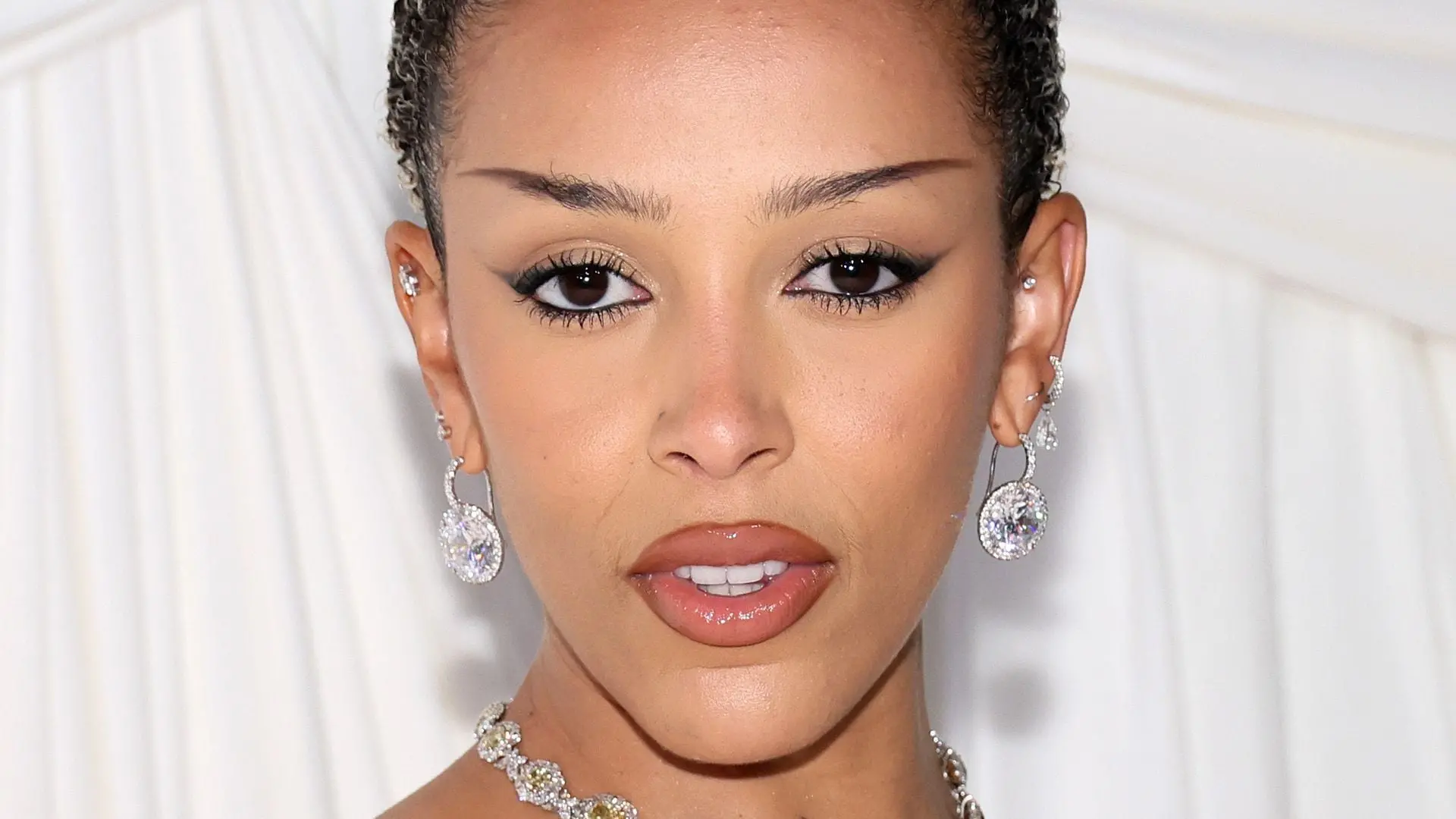
Doja Cat, the Grammy-winning artist known for hits like "Say So" and "Kiss Me More," has opened up about the profound ways her borderline personality disorder (BPD) shapes her romantic relationships. In a deeply personal interview with Elle UK, the 30-year-old singer detailed the daily mental battles she faces, from irrational fears of abandonment to the exhausting performance of emotional strength. The interview was accompanied by a provocative photoshoot in lingerie, underscoring her willingness to bare it all—emotionally and visually.
"When I have a boyfriend and he goes out to run errands, my brain thinks he's breaking up with me," Doja explained. "I have to fight that and teach myself that it's not happening. I am safe." This raw admission highlights how BPD colors her perception of even mundane separations, turning routine moments into tests of trust. The disorder, which affects an estimated 1.6% of the population, often manifests in instability in interpersonal relationships, self-image, and emotions. For Doja, the symptoms translate into a constant need for reassurance—a need she is learning to manage through therapy.
The Mask of Invincibility
In the same interview, Doja described a deep internal contradiction: she deliberately constructs a tough exterior to appear invulnerable, while struggling with fragility inside. "I do those things on purpose to feel strong. And I am strong. But not that strong. It's a mask," she said. This duality is common among individuals with BPD, who may develop protective behaviors as a coping mechanism against fears of rejection or abandonment. The mask, however, comes at a cost—exhausting mental energy that could otherwise be spent on creative work or self-care.
Doja's openness about her diagnosis marks a significant moment in pop culture, where mental health discussions among celebrities have gained traction. She first disclosed her BPD publicly several months ago in a TikTok video, revealing that she has been in therapy for years and has been "fighting" the condition. Since then, she has used her platform to challenge stigma, emphasizing that recovery is not linear and that seeking help is a sign of strength, not weakness.
Career and Tour: The Balancing Act
Beyond personal revelations, Doja touched on her professional life, specifically her ongoing "Tour Ma Vie" world tour. The tour, which kicked off earlier this year, has taken her across multiple continents. In the coming weeks, she is scheduled to perform several shows in the United Kingdom before moving on to dates in Europe and the United States. The tour is set to conclude in November with a headline show at New York's iconic Madison Square Garden—a milestone that underscores her status as one of the most successful touring artists of her generation.
However, the demanding schedule has taken a toll on her mental health. Doja revealed that after the tour ends, she plans to take a three-year break from music. "I think I want to take three years off. I just want to do what I want," she said. This hiatus will allow her to focus on personal growth, therapy, and possibly exploring other creative outlets. It's a bold decision in an industry that often pressures artists to constantly produce content, but one that aligns with her recent emphasis on self-care.
The Science of Borderline Personality Disorder
BPD is a complex mental health condition characterized by intense mood swings, impulsivity, unstable relationships, and a chronic fear of abandonment. According to the Mayo Clinic, symptoms include frantic efforts to avoid real or perceived abandonment, patterns of unstable relationships, identity disturbance, and inappropriate anger or difficulty controlling anger. These symptoms can be triggered by everyday stressors—like a partner going to the store—leading to intense emotional reactivity that often feels uncontrollable.
For individuals with BPD, the fear of abandonment is particularly acute. It can lead to behaviors such as clinginess, constant checking in on a partner, or even preemptive rejection—pushing people away before they have a chance to leave. Doja's description of her brain jumping to "he's breaking up with me" is a textbook example. Treatment typically includes therapy (like dialectical behavior therapy, or DBT), medication for co-occurring conditions, and lifestyle changes. Doja has been candid about her ongoing therapy, which helps her combat these automatic thoughts.
Impact on Relationships: Trust and Fear
The musician's relationship history has been closely scrutinized by fans and media. While she has been linked to several high-profile figures, including rapper Jawny and fashion designer Devlin, Doja has kept much of her private life guarded. She acknowledged that her disorder makes it difficult to trust romantic partners fully. "I am working on it, but there are days when even a small delay in a text reply sends me into a spiral," she admitted in a previous interview. These trust issues can be exhausting for both her and her partner, requiring a level of patience and understanding that not everyone can provide.
Nevertheless, Doja emphasizes that she is not looking for sympathy. She wants to normalize these experiences and let other fans struggling with similar issues know they are not alone. "I'm not broken, and neither is my brain—it just works differently," she said. Her willingness to share such intimate details could potentially help de-stigmatize BPD, especially among young audiences who look up to her as a role model.
From Viral Sensation to Global Icon
Doja Cat's rise to fame has been nothing short of meteoric. Starting out in the late 2010s with viral hits on YouTube and SoundCloud, she quickly caught the attention of major labels. Her 2019 album Hot Pink spawned the genre-blending hit "Say So," which became a TikTok phenomenon and earned her a Grammy nomination. In 2021, her third studio album Planet Her debuted at number two on the Billboard 200 and featured collaborations with artists like SZA and The Weeknd. The album's lead single, "Kiss Me More" featuring SZA, won a Grammy for Best Pop Duo/Group Performance.
Her music often explores themes of sexuality, empowerment, and vulnerability—reflecting the same contradictions she described in the Elle interview. Behind the glossy videos and polished performances lies an artist who battles invisible demons. Yet, her ability to channel that pain into art is one reason fans connect so deeply with her work.
The Industry and Mental Health
Doja is far from the only celebrity to speak out about BPD. Others like Pete Davidson, Selena Gomez, and Amber Heard have also shared their experiences, creating a broader conversation about mental health in Hollywood. However, the entertainment industry remains a high-pressure environment, often exacerbating symptoms. Constant travel, lack of privacy, and the pressure to continuously engage with fans can strain even the most stable individuals. For someone with BPD, the instability can be amplified.
Doja's decision to step back for three years is a radical act of self-preservation. It mirrors moves by other artists like Adele, who took extended breaks to recharge. In a recent interview, she told fans that she wants to "live life" and "be a human" without the constant scrutiny. "I don't want to make music for a while. I want to do other things I enjoy," she said. Those things likely include painting, fashion, and exploring new hobbies.
Public Reaction and Fan Support
Fans have largely applauded Doja's openness. In the Elle interview, the magazine included a poll asking readers how they felt about her candidness. An overwhelming majority—30 out of 31 respondents—voted that her insights were "strong and important" and could "real change." Only one respondent expressed a wish for more privacy. The positive response underscores a cultural shift where mental health narratives are welcomed rather than stigmatized.
Social media platforms like TikTok and Instagram have become spaces where Doja shares glimpses of her struggles, including her therapy journey. Her candidness has sparked conversations among fans about their own mental health, creating a supportive online community. Many have thanked her for making them feel less alone in their battles with BPD or similar conditions.
Looking Ahead: A Future Beyond the Stage
As Doja prepares to wrap up her tour and embark on a three-year hiatus, she leaves behind a legacy of groundbreaking music and fearless authenticity. Her next steps remain uncertain, but she has hinted at exploring visual arts, possibly releasing a book, or simply enjoying a quieter life. Whatever she chooses, it is clear that her priority is mental wellness—a message that resonates especially strongly in an era of burnout culture.
Doja's journey with BPD is ongoing, but her willingness to speak openly about the highs and lows offers a powerful example of resilience. She shows that it's possible to achieve global success while also struggling with inner turmoil. And by pulling back the curtain on her romantic fears and emotional masks, she invites others to do the same—creating a ripple effect of understanding and compassion.
In the end, Doja Cat's story is not just about an artist navigating fame; it is about a person learning to live with a disorder that constantly tests her relationships and self-worth. Her message is clear: healing is possible, even when the brain tells you otherwise. And for millions of fans around the world, that message is more than just music—it is a lifeline.
Source: Promiflash.de News