

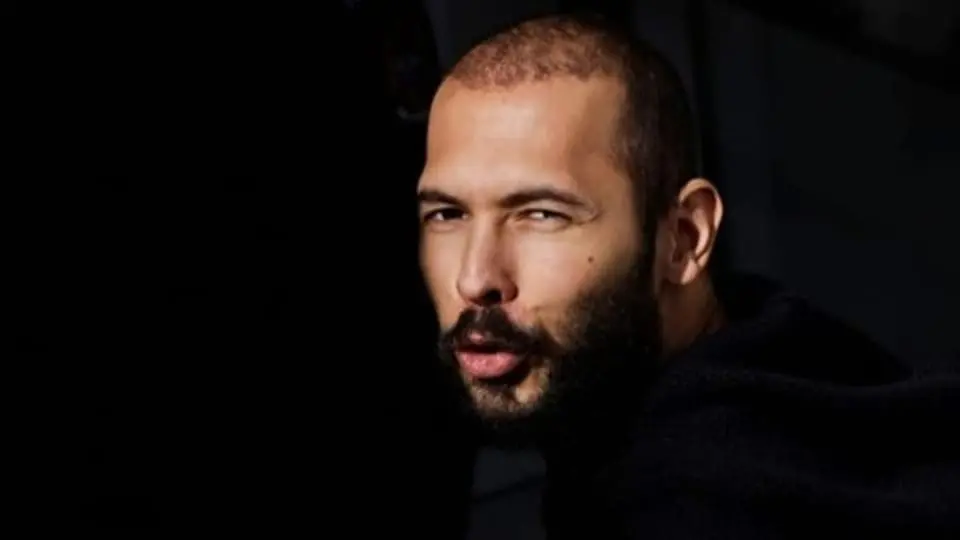
Andrew Tate is a name that provokes strong reactions. To his millions of followers, he is a self-made success who preaches discipline, wealth, and traditional masculinity. To his critics, he is a misogynist who promotes hate and exploits vulnerable individuals. Born in the United States and raised in the United Kingdom, the 36-year-old former kickboxer has become one of the most polarizing figures on the internet. His content—often featuring fast cars, expensive cigars, and flamboyant displays of wealth—attracts a predominantly young male audience. But behind the glamour lies a trail of controversy, including criminal investigations in Romania for human trafficking and rape. This article examines the multifaceted phenomenon of Andrew Tate, exploring his rise, his appeal, and the societal responses to his influence.
Early Life and Kickboxing Career
Andrew Tate was born in 1986 in Washington, D.C., to a African-American father and a white mother. His father, Emory Tate, was a renowned chess master who instilled in Andrew a competitive spirit. The family moved to England when Andrew was young, and he grew up in Luton. He later achieved success as a kickboxer, winning multiple world titles in the sport, including the ISKA (International Sport Kickboxing Association) world championship. His kickboxing career gave him a platform and a sense of self-confidence, which he later leveraged in his online persona. In interviews, Tate often credits his martial arts background with teaching him discipline and the importance of a strong work ethic. However, even during his fighting days, he displayed a brash and confrontational style that foreshadowed his later controversies.
The Rise of an Influencer
After retiring from professional kickboxing, Tate turned his attention to the online world. He began posting videos on YouTube and other platforms, offering advice on how to achieve success, make money, and attract women. His content quickly gained a following among young men who felt lost in a rapidly changing society. Tate's message was simple: reject modern feminism, embrace traditional values, and strive for dominance. He often mocked what he called the "matrix"—a system he claimed was designed to keep men weak and subservient. His language was deliberately provocative, using terms like "low-value" for women and labeling men who didn't adhere to his ideals as "beta males." This rhetoric resonated especially with those who felt marginalized or disillusioned by progressive social movements.
Tate's online empire expanded across multiple platforms, including Instagram, TikTok, and Twitter. At his peak, his videos garnered billions of views. He also launched a subscription-based service called "The Real World" (formerly Hustler's University), where he taught followers how to build wealth through e-commerce, cryptocurrency, and other ventures. The program cost $49 per month and promised to turn ordinary men into "top G's"—a term Tate coined to describe alpha males. Despite accusations of being a pyramid scheme, the program attracted hundreds of thousands of subscribers, making Tate a multimillionaire. His success demonstrated the power of influencer marketing and the demand for alternative role models among young men.
Controversies and Bans
Andrew Tate's brand was built on provocation. He frequently made comments that were widely condemned as misogynistic, homophobic, and racist. For example, he claimed that women should "shut up and make me a sandwich" and that victims of sexual assault often bear some responsibility. He also expressed admiration for authoritarian leaders such as Vladimir Putin. These statements led to him being banned from multiple social media platforms, including Facebook, Instagram, and TikTok, for violating policies against hate speech. However, the bans only seemed to amplify his fame, as his followers argued that he was being silenced for speaking the truth. The concept of "backlash" became central to his narrative: each ban was presented as proof that the establishment was against him.
In December 2022, Tate was arrested in Romania along with his brother Tristan and two other individuals on charges of human trafficking, rape, and forming an organized crime group. The allegations are severe: prosecutors claim that the brothers lured women into fake relationships, then forced them to perform in sexually explicit videos for profit. Andrew Tate has denied all charges, maintaining his innocence and claiming that the case is a politically motivated attack on his success. As of early 2023, he remains in Romanian custody while the investigation continues. The trial has not yet begun, but the case has garnered international attention, further cementing Tate's status as a figure of controversy.
The Appeal to Young Men
To understand why Andrew Tate attracts such a dedicated following, one must look beyond his inflammatory statements and examine the psychological and social factors at play. Many of his followers are young men in their teens and twenties who feel that society no longer values them or offers a clear path to success. They are targeted by feminist movements, economic uncertainty, and a perceived lack of positive male role models. Tate offers a simple, empowering narrative: be strong, be rich, and don't apologize for who you are. His message is especially effective in digital spaces where algorithms reward extreme content.
A teacher in Switzerland, Daniel Gebauer, who has worked with upper-grade students for 20 years, observed this trend firsthand. When he asked his classes about Andrew Tate, about half of the boys raised their hands to say they had heard of him. Gebauer noted that while students were aware of the controversy—the misogyny, homophobia, and racism—they still found something appealing in his style. "What impresses them is his nonchalant attitude. He says what he thinks without trying to please anyone," Gebauer explained. This resonates with young men who feel bombarded by messages about what they shouldn't do or say. Tate's unapologetic defiance offers a form of rebellion against what they perceive as political correctness.
Gebauer also highlighted the complexity of young men's search for identity in a world where gender roles are evolving. "They are caught between old expectations and new ones," he said. The appeal of the forbidden—of figures who say what others won't—exerts a strong pull. This is not unique to Tate; throughout history, countercultural figures have gained fame by challenging societal norms. However, the rise of social media has amplified this dynamic, allowing individuals like Tate to bypass traditional gatekeepers and speak directly to millions.
Educational Responses and Societal Challenges
The influence of Andrew Tate has prompted responses from educators and policymakers. In the United Kingdom, some schools have reported a rise in misogynistic behavior among male students, leading to coordinated efforts to counteract this trend through workshops and classroom discussions. The goal is not to censor but to foster critical thinking and empathy. In contrast, in Switzerland, the national teachers' association (LCH) has not yet launched any specific campaigns, citing a lack of observed problems in schools. However, they have stated that they would intervene if Tate's influence became a significant issue.
Gebauer, for his part, believes that banning or ignoring such figures is counterproductive. "We need to make more effort to understand young people and not immediately dismiss what they are interested in," he said. He advocates for open dialogues where students can express their views without fear of judgment, and where teachers can help them deconstruct the messages they encounter online. This approach aligns with broader recommendations from media literacy experts: instead of fighting against influencer culture, educators should equip students with the tools to analyze and critique it.
The case of Andrew Tate illustrates a larger cultural tension. It highlights the void left by traditional male role models and the allure of simplistic solutions to complex problems. As society grapples with shifting gender dynamics and the influence of algorithm-driven content, figures like Tate serve as both a symptom and a catalyst. Understanding the roots of his appeal is essential for addressing the broader issues of youth identity, mental health, and polarization in the digital age. The conversation is far from over, and how we respond will shape the next generation of leaders and citizens.