

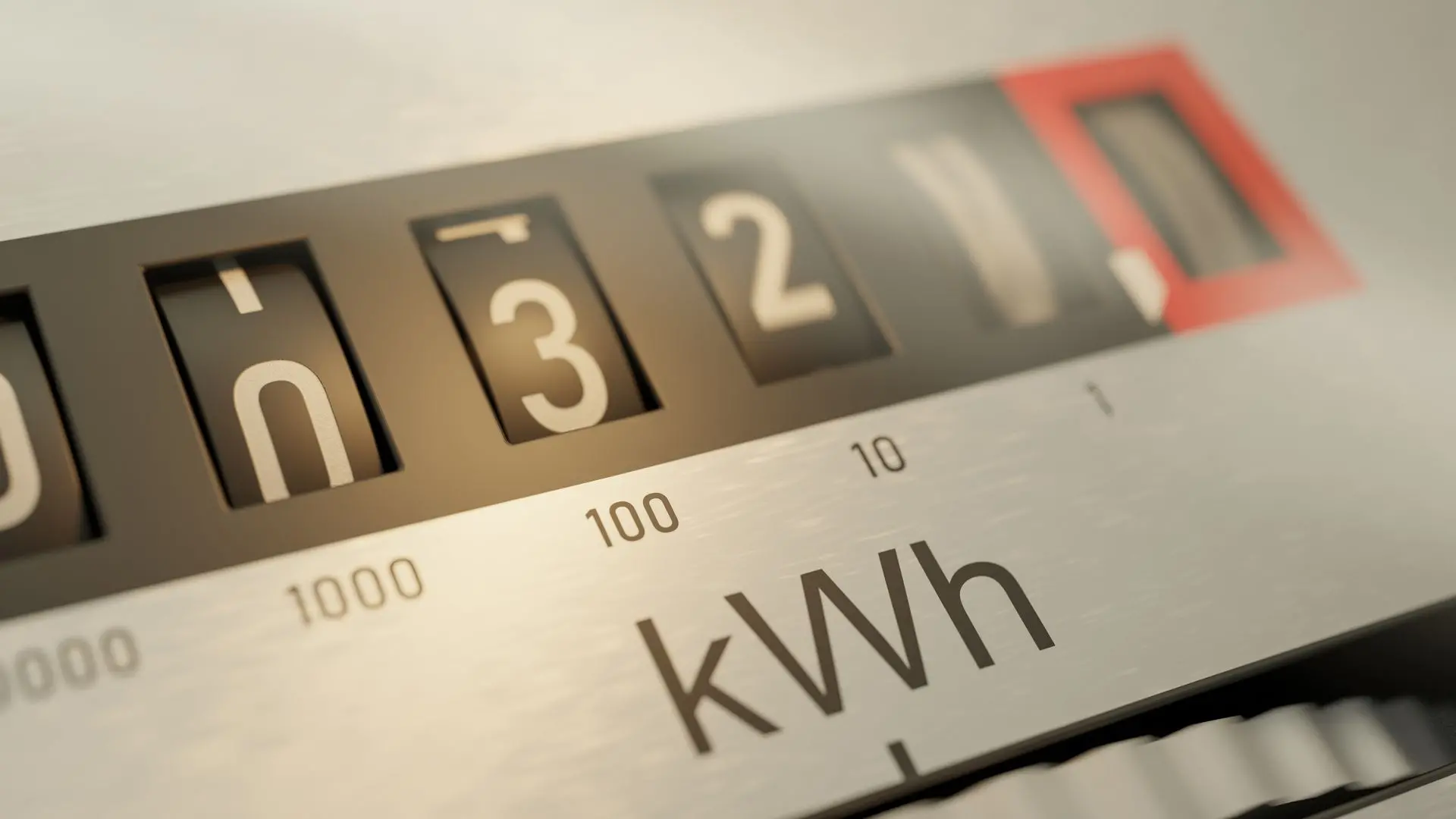
Microsoft's ambitious $1 billion AI data center project in Kenya has hit a major hurdle, as the Kenyan government has warned that meeting the facility's massive power requirements would necessitate switching off electricity to half the nation. The revelation, disclosed in a government assessment, underscores the stark challenges of expanding AI infrastructure in regions with fragile energy grids.
The proposed data center, part of Microsoft's broader push into Africa, aims to provide cloud computing and AI services to businesses and governments across the continent. However, the Kenyan Ministry of Energy and Petroleum reportedly stated that the power demand from the facility would be equivalent to the consumption of half the country, making it impossible to proceed without severe disruptions to the national grid. The project would require approximately 1,000 megawatts of electricity, a staggering amount for a country where many households still lack reliable access to power.
Background: Microsoft's Africa AI Strategy
Microsoft has been aggressively expanding its presence in Africa, viewing the continent as a key growth market for cloud and AI services. In 2024, the company announced plans to invest $1 billion in a new data center region in Kenya, its first in East Africa. The facility, located near Nairobi, was expected to create thousands of jobs and accelerate digital transformation across the region. Microsoft CEO Satya Nadella has emphasized the potential of AI to solve pressing challenges in agriculture, healthcare, and education in Africa.
The Kenya project is part of a larger trend: Big Tech companies like Google, Amazon, and Oracle have also announced data center investments in Africa. Google Cloud launched a region in South Africa in 2023, while Amazon Web Services (AWS) opened a point of presence in Cape Town. These investments are driven by the growing demand for cloud services in the continent, where internet penetration and data usage are rising rapidly. However, the energy requirements of these facilities are enormous. A single large data center can consume as much electricity as a small town, and AI workloads—especially training large language models—are far more power-intensive than traditional cloud computing.
The Power Problem in Kenya
Kenya's energy sector faces several challenges. While the country has made significant progress in expanding access to electricity—from 30% in 2013 to over 75% in 2023—the grid remains unstable and heavily dependent on hydroelectric and geothermal sources, which are vulnerable to climate variability. Frequent blackouts and voltage fluctuations are common, particularly in rural areas. The government has been investing in renewable energy, including wind and solar, but the pace of new generation capacity has not kept up with growing demand.
The assessment that powering Microsoft's data center would require switching off half the country highlights just how strained the grid already is. Kenya's total installed capacity is about 2,900 megawatts, with peak demand around 2,000 megawatts. Adding a load of 1,000 megawatts would nearly double the peak demand, requiring massive investments in new power plants and transmission infrastructure. The government has estimated that building the necessary infrastructure would cost billions of dollars and take years to complete.
Environmental and Social Concerns
The sheer energy consumption of AI data centers has drawn criticism from environmental groups. A 2024 study by the International Energy Agency (IEA) found that data centers account for about 1-2% of global electricity use, a figure that could double by 2026 as AI adoption accelerates. In Kenya, where electricity generation still relies heavily on fossil fuels during dry periods, the data center's carbon footprint could be substantial. Environmental activists have called for stricter regulations and a greater emphasis on renewable energy sources for such facilities.
Socially, the prospect of millions of Kenyans losing power so that a tech giant can run its servers has raised questions about equity and prioritization. Many communities in rural areas still lack electricity for basic needs like lighting and refrigeration. The government's warning has ignited a public debate about whether large-scale tech infrastructure projects should be allowed to proceed if they jeopardize the energy access of ordinary citizens.
Potential Solutions and Next Steps
Microsoft and the Kenyan government are exploring alternative solutions to keep the project alive. One approach is to build dedicated renewable energy generation, such as a large-scale solar farm coupled with battery storage, to power the data center independently. Microsoft has committed to being carbon-negative by 2030, and the company has a track record of using renewable energy for its data centers globally. In the U.S., for example, Microsoft has signed power purchase agreements for thousands of megawatts of wind and solar energy.
Another option is to locate the data center in a different region with more abundant power, such as near the Olkaria geothermal fields. However, moving the site could delay the project and increase costs. The government has also pledged to accelerate investments in grid modernization and new generation capacity, but such initiatives require long-term planning and funding.
Industry experts note that the Kenya situation is not unique. As AI models become larger and more complex, their energy demands will continue to grow. Tech companies are increasingly looking to build data centers in regions with cheap and abundant energy, such as the Nordics (hydroelectric) or the Middle East (natural gas). Africa's potential is vast but constrained by infrastructure gaps. Microsoft's project could serve as a test case for how to balance AI ambitions with sustainable energy development on the continent.
The Kenyan government has formed a task force to review the project's feasibility and explore ways to mitigate the power issue. A final decision is expected within the next six months. Meanwhile, Microsoft has stated that it remains committed to the project and is working closely with the government and local stakeholders to find a viable path forward. The outcome will have implications not just for Kenya, but for the future of AI infrastructure across the developing world.
Source: TechRadar News