

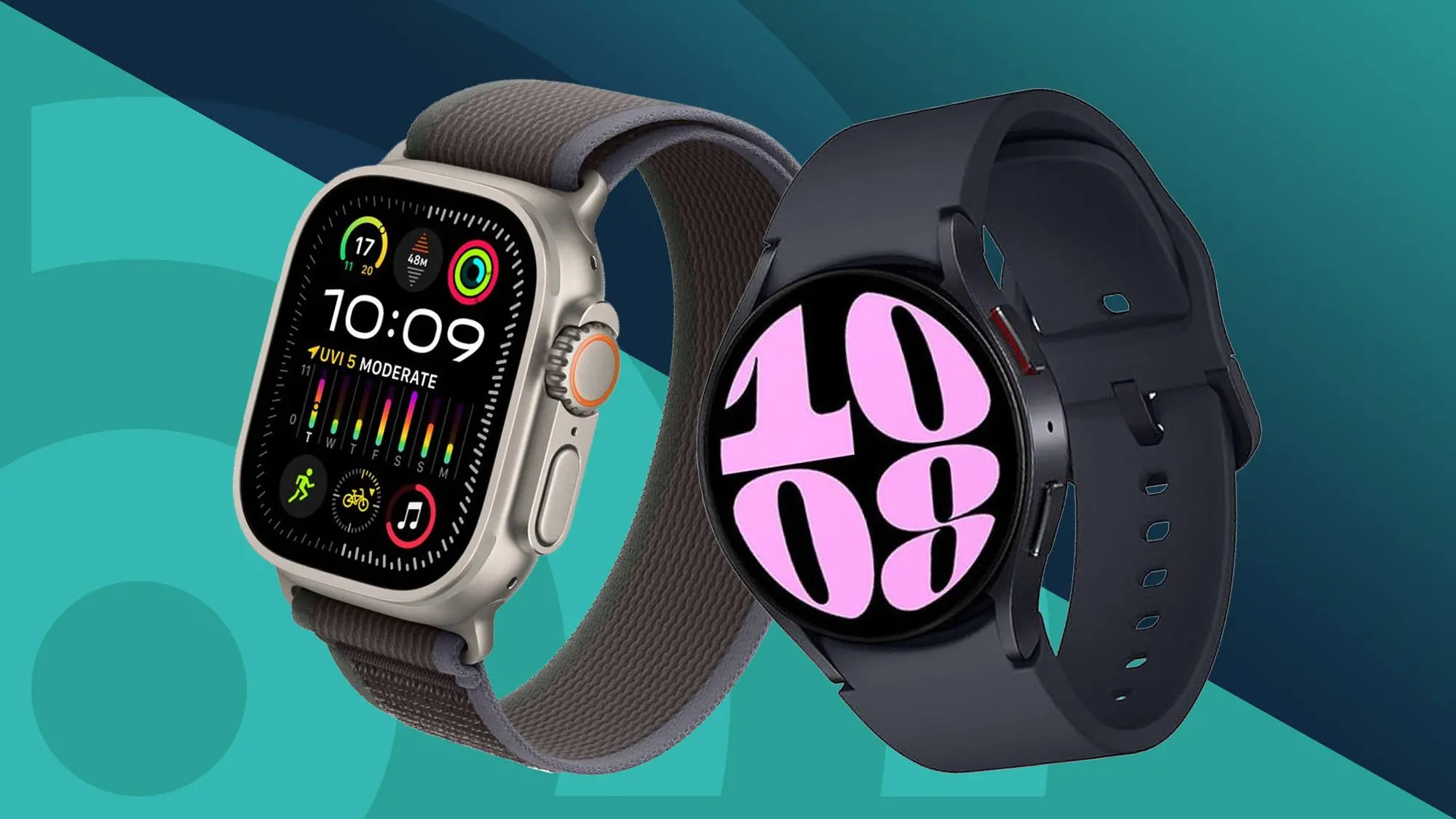
The smartwatch market in 2026 is more competitive than ever, with brands pushing boundaries in health tracking, battery life, and integration with smart home ecosystems. Whether you're an athlete, a tech enthusiast, or someone looking for a stylish companion, there's a device for you.
Apple Watch Ultra 3
Apple continues to dominate with the Watch Ultra 3, featuring a brighter always-on display, new titanium finish, and enhanced GPS accuracy for ultra-distance athletes. Its new thermal sensor helps monitor body temperature trends, while the upgraded workout app now includes real-time coaching for swimming, cycling, and trail running. Battery life reaches 72 hours in low-power mode, making it a top choice for multi-day adventures.
Samsung Galaxy Watch 7 Pro
Samsung’s Galaxy Watch 7 Pro runs Wear OS 5 with One UI Watch 6, offering seamless integration with Android phones. Key upgrades include a bioelectric impedance sensor for body composition analysis, improved sleep tracking with sleep apnea detection, and a rotating bezel that's both tactile and responsive. Battery life exceeds 4 days with typical use, and the rugged design meets MIL-STD-810H standards.
Garmin Fenix 8
Garmin’s Fenix 8 is the gold standard for outdoor enthusiasts. It introduces solar charging 2.0 that delivers 30% more efficiency, plus a new multisport mode that automatically senses when you switch activities (e.g., from biking to running). The mapping interface now 3D topo maps with gradient shading. Battery life reaches an incredible 37 days in smartwatch mode, and 120 hours in GPS mode with solar.
Fossil Gen 7 Wellness Edition
Fossil returns with a hybrid approach in the Gen 7 Wellness Edition, blending classic analog looks with smart features. It has always-on hands, an e-ink display for notifications, and heart rate monitoring. Battery life lasts 2–3 weeks, and it works with both iOS and Android. The Wellness Edition adds stress tracking, guided breathing, and a new “body battery” metric derived from heart rate variability.
Google Pixel Watch 3
Google’s Pixel Watch 3 refines its design with a slightly larger 1.45-inch display and thinner bezels. It’s the first Wear OS watch to natively support UWB for precise device locating and car key integration. Health features include fall detection, emergency SOS, and Fitbit Premium integration for advanced sleep and readiness scores. Battery life improves to 36 hours with always-on display enabled.
Amazfit T-Rex 3
For budget-conscious adventurers, the Amazfit T-Rex 3 offers military-grade durability (MIL-STD-810G) and 20 days of typical battery life. It adds a compass, barometer, and altitude meter, plus built-in GPS with GLONASS support. The new “Track & Field” mode can analyze running form and suggest improvements. Priced around $199, it’s an incredible value.
Whoop 5.0
Whoop pivots from a fitness tracker to a full health optimizer with the Whoop 5.0. It tracks blood oxygen, skin temperature, and respiratory rate continuously. The new “Strain Coach” uses AI to suggest daily activity goals based on your sleep and recovery. No screen means minimal distraction, but the subscription model ($30/month) gives you personalized insights and a coaching community.
Important Considerations When Buying
Before choosing a smartwatch, consider your primary ecosystem. Apple Watches pair exclusively with iPhones, while Wear OS watches work best with Android (but have limited iPhone compatibility). Garmin and Whoop are platform-agnostic but rely on their own apps. Battery life varies widely: from one day to weeks. Think about which health metrics matter most to you—ECG, SpO2, skin temperature, or body composition. Also consider display type: OLED provides vibrant colors, e-ink saves battery, and MIP screens offer outdoor readability.
Another factor is subscription costs. Fitbit Premium, Whoop, and some Garmin features require monthly or annual fees. Apple and Samsung offer most health features for free but lock advanced coaching behind subscriptions. Always factor these into your budget.
In 2026, the smartwatch is no longer just a second screen for your phone; it's a proactive health companion. Manufacturers are investing in predictive analytics, stress management, and menstrual health tracking. The lines between fitness trackers, medical devices, and lifestyle accessories continue to blur. Whichever model you choose, you’re getting a device that can genuinely improve your daily health and productivity.
Source: TechRadar News