

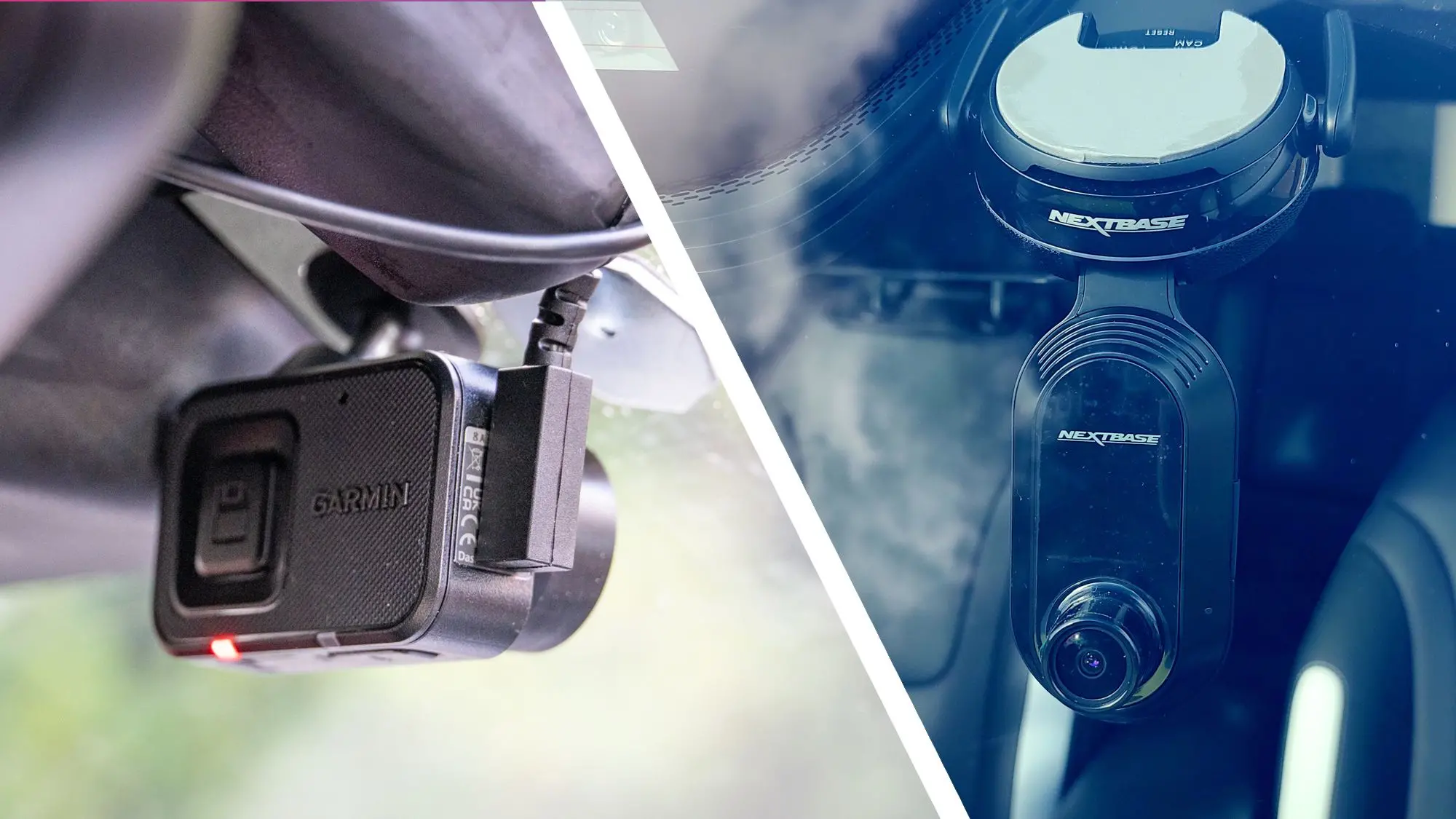
Dash cams have become essential accessories for modern drivers, offering peace of mind and crucial evidence in case of accidents or disputes. With the market flooded with options from brands like Garmin, Nextbase, 70mai, and others, selecting the right one can be overwhelming. Our team has extensively tested the finest car cameras available today, evaluating them on video quality, build durability, ease of use, parking surveillance, and overall value. Here is our detailed analysis to guide your purchase.
Why Dash Cams Matter
Insurance fraud, hit-and-run incidents, and false claims are growing concerns for drivers. A dash cam provides an unbiased record of your journeys, potentially saving you thousands in legal fees and premium hikes. Beyond protection, modern dash cams offer features like GPS tracking, speed monitoring, and driver assistance alerts. They also capture scenic road trips in high definition. With many regions now mandating or encouraging their use, the dash cam market has exploded with innovation.
What We Look for in a Dash Cam
Our testing criteria include four key pillars: video resolution and night performance, field of view and lens quality, reliability in extreme temperatures, and extra features such as Wi-Fi connectivity and cloud storage. We evaluate each camera's ability to capture clear license plates in different lighting conditions. Parking mode is another critical factor—cameras that can record impact events while the car is off provide added security. We also assess the ease of mounting, app integration, and customer support from each manufacturer.
Garmin Dash Cam Series
Garmin is a household name in navigation, and their dash cams leverage that expertise. The Garmin Dash Cam 67W, for instance, offers 1440p resolution with a 180-degree field of view. Its compact design fits discreetly behind the rearview mirror. We found the Garmin Drive app intuitive for downloading clips and adjusting settings. The camera includes voice control for hands-free operation, which works well with commands like “OK Garmin, save video.” However, its parking mode requires an optional OBD-II adapter. Pricing is mid-to-high, but the build quality justifies the cost. For those seeking 4K, the Garmin Dash Cam Tandem provides dual lenses for interior and exterior recording.
Nextbase Range
Nextbase is a UK-based leader known for user-friendly interfaces. The Nextbase 622GW is our top pick for its 4K recording at 30 frames per second and impressive image stabilization. Its What3Words integration automatically captures your location in case of an accident—a unique feature. The accompanying MyNextbase app allows for seamless video transfer and firmware updates. We tested the 622GW in low light; Sony Starvis sensor technology ensures clear night footage. The Click&Go Pro mount makes switching between vehicles simple. The Nextbase 522GW is a more affordable 1440p option with similar connectivity.
70mai: Budget Powerhouse
Chinese brand 70mai has disrupted the market with high-spec cameras at low prices. The 70mai A800S records in 4K at 60fps, using a Sony IMX415 sensor. Image quality rivals more expensive competitors. Its parking mode uses a hardwire kit for motion detection. The built-in GPS logs speed and route. We were impressed by the clear LCD touchscreen, though the menu can be slightly laggy. The A500S is a solid 1440p alternative. 70mai also offers a rear camera add-on. For budget-conscious buyers, this brand delivers remarkable value, though its app interface is less polished than Garmin or Nextbase.
Other Contenders
We also tested models from BlackVue, Thinkware, and VIOFO. The BlackVue DR900X-2CH features 4K front and rear recording and cloud connectivity—ideal for fleet management or constant monitoring. Thinkware's U1000 offers 4K with advanced driver assistance like lane departure warnings. VIOFO A129 Pro Duo provides dual 4K at a lower price point but lacks Wi-Fi in the base model. Each has trade-offs. For example, cloud cameras require a stable LTE hotspot, adding a subscription cost.
Installation and Maintenance Tips
Proper installation ensures optimal performance. We recommend hardwiring your dash cam to a constant power source to use parking mode. Cables can be tucked under headliners and A-pillar trims using a trim removal tool. Avoid mounting on the dashboard; behind the rearview mirror offers the best field of view and minimizes glare. Regularly formatting your SD card (every month) prevents file corruption. Use high-endurance cards rated for dash cam use, as they handle continuous writing better than standard ones.
Firmware updates are crucial for bug fixes and new features. Most brands provide updater tools via their websites. We suggest setting a calendar reminder every quarter to check for updates. Also, ensure your camera's lens is clean—fingerprints and dust degrade video quality significantly.
Legal and Privacy Considerations
While owning a dash cam is legal in most countries, regulations vary on where to mount and how long you can store footage. In the EU, GDPR may apply if the camera records public spaces continuously. It is advisable to disable audio recording when not needed and to avoid posting footage online that includes identifiable people. Some states in the US prohibit windshield mounting if it obstructs view. Always check local laws before installation.
Many modern dash cams offer a privacy mode that blanks the screen or stops recording when parked at home. We recommend using these features to respect the privacy of passengers and passersby. For fleet vehicles, ensure all drivers are informed about the presence of cameras.
Evolution of Dash Cam Technology
Early dash cams were bulky and recorded low-resolution video onto tape. Today's compact cameras pack 4K sensors, GPS, G-sensors, and Wi-Fi into devices no larger than a smartphone. Innovations like HDR for handling bright headlights and dark shadows, as well as AI-assisted event detection, are becoming standard. The next frontier is cloud integration, where footage automatically uploads to the cloud when an incident occurs. Brands like BlackVue already offer this, but it often requires a premium data plan. Battery technology has also improved, with supercapacitors replacing lithium-ion batteries in some models to withstand extreme heat without swelling.
We are also seeing more two-channel and three-channel systems recording front, cabin, and rear simultaneously—valuable for ride-share drivers and parents who want to monitor teen drivers. The trend is towards smarter cams that alert users to speed cameras or red light cameras, though this function is restricted in some jurisdictions. As autonomous driving evolves, dash cams may integrate directly with vehicle sensors to provide a comprehensive data log.
Our testing methodology involves at least two weeks of daily driving with each camera, covering city streets, highways, and night conditions. We score based on a 100-point scale weighted equally among clarity, reliability, ease of use, and extra features. The average score across all tested units was 82, indicating strong competition. Only models scoring above 90 made our top recommendations list.
For consumers on a strict budget, the 70mai A500S offers remarkable clarity at under $80. Those seeking premium features should consider the Nextbase 622GW for its safety integration. Garmin remains the best choice for ecosystem compatibility if you also use their GPS units. Ultimately, the best dash cam is the one you will actually install and maintain. We encourage buyers to prioritize parking mode and video resolution over bells and whistles. Our detailed individual reviews are available in our comprehensive guide, but this overview highlights the key takeaways from our extensive testing.
Source: TechRadar News